


What is the Best Way to Store Your Matcha & Japanese Green Tea?
5 Essential Storage Rules for Matcha and Japanese Green Tea
Matcha, an ancient Japanese green tea, has become widespread due to its countless health benefits, antioxidant properties, and similar-to-coffee caffeine content. Before you run to the store and stock up on this vibrant green powder, however, you must know how to care for it.
Matcha is delicate, like a newborn baby. You simply cannot leave an open jar of matcha powder on your kitchen counter – when exposed to elements such as heat and air, matcha will lose its flavor, freshness, and antioxidants within days.
Read on to learn how to store matcha the proper way to ensure that you get the most out of this ancient elixir.
Rule #1 – Oxygen Robs Matcha Tea of Life-Preserving Catechins and Vitamins
Catechins are a type of antioxidant found in matcha tea. In fact, this is probably one of the reasons you began drinking matcha in the first place – you heard of its abundant health benefits. However, you must take proper care of your tea to ensure that it retains those benefits.
Matcha tea’s number-one threat is oxygen. Oxidization deteriorates the tea’s nutrients such as catechins and vitamins. Therefore, your matcha must be stored in an airtight container.
There are numerous airtight containers on the market, many of them created specifically for tea storage. Make sure not to store your tea in a simple Ziploc bag or plastic kitchen container, however, because your matcha will still be exposed to the air that is inside the container, and thus, it will oxidize.
You need a container that squeezes the air out, leaving the tea in a vacuum. One strategy is to put matcha into a Ziploc bag, squeeze all of the air out, and then store that bag inside a matcha-specific airtight container such as DICTEA – Airtight Small Storage Jar Porcelain Container for Matcha Powder and Loose Leaf Tea. Keep reading for more top-notch oxygen-proof storage options.

Rule #2 – Storing in the Fridge Prevents Heat Damage, but, it May Make Your Tea Taste Funny
You may also know that heat and humidity can turn matcha tea stale. If you live in a hot and humid place, you may be tempted to throw your jar of matcha in the fridge. Before you do so, however, we suggest you consider these additional points.
Firstly, tea (especially matcha tea) will quickly absorb strong odors including that leftover plate of chicken wings sitting in your fridge covered in tinfoil. Without proper precautions, your precious matcha could end up tasting like leftover chicken wings.
To prevent this fate, we once again recommend storing matcha in multiple layers of airtight protection. A good method is to use the Ziploc bag inside of an airtight container, as described above.
Rule #3 – Don’t Prepare Cold Matcha Straight Out of the Fridge
Furthermore, storing tea in the fridge may, in fact, create the humidity-damaging effects that you intended to prevent.
When you remove the tea from the fridge, the tea is cold. It then comes into contact with warmer air in your house, producing condensation and therefore introducing the tea to freshness-damaging moisture.
A solution is to take out the tea storage container, keep the lid closed, and let it warm up for several hours on the counter. After the tea has been allowed to warm up for at least half a day, then you may open the container and prepare delicious matcha.
In short, storing matcha in the fridge (not in the freezer) is fine if you care for your tea properly.
Rule #4 – Store Matcha in The Dark: Light Will Eat Away its Abundant Chlorophyll
Chlorophyll is a chemical that gives plants their green color. Because matcha is a special variety of shade-grown green tea, it takes much longer for the plant to mature, and thus, the tea leaves produce higher levels of chlorophyll – this is what makes matcha distinct from other green teas and what gives it its electric green color.
The drawback is that as light helps matcha plants produce chlorophyll, it also destroys chlorophyll once the matcha is processed. Therefore, tea experts suggest storing matcha in a dark place or a dark (not clear) container. Exposing matcha to light, they say, may give the tea a metallic taste.
For this reason, we suggest not storing matcha in a clear or translucent container; or, if you must, place the clear container in a dark closet that you don’t open frequently. Or, simply store matcha in an opaque, airtight container such as the ones mentioned in this article, which you can keep in the fridge or on the kitchen counter.
Rule #5 – If I Leave Matcha in the Cabinet for 10 Years, will it Taste Better?
Some people may tell you that “aged matcha” is even more flavorful than fresh matcha, and you may even see aged matcha on store shelves. You may be tempted to try aging your own matcha to see what happens. However, we advise against it.
Tea experts can create aged matcha in heat, light, and humidity-controlled environments. As we’ve explained, matcha is a fragile beverage, and aging such a finicky tea takes extreme oversight and care.
However, leaving matcha in your cabinet for several years will ruin its freshness and may even make you sick. Even with the best care, matcha has a shelf life of about 1 year, and most recommend consuming it within 60 days of opening.
AirScape: A Safe, Convenient Way to Store Loose Leaf Green Tea
AirScape containers are popular among coffee drinkers… and they should be popular with green tea drinkers, too. Why? Because coffee and tea share the same threats to their freshness: oxygen, heat, light, moisture, and strong odors.
Due to the AirScape container’s one-way air valve, it ensures that whatever you put in it has a completely air-free home. If you have a lot of green tea to store, or even just a little, it’ll be safe and free from oxidation in one of these containers.
Additionally, the container is opaque, which prevents light damage. This feature will also prevent strong kitchen odors from damaging your tea’s vibrant taste. While a bit pricier than a basic green teajar, this container will ensure that your delicious green tea loses none of its flavors. See price and product description here.
Note: This product works well for loose leaf tea, but the fine powder could get stuck in the suction mechanism. For recommendations for matcha storage, read on to the next section.

Vacuum Sealed Air-Tight Container: This one is for matcha or fine powder
As I mentioned above, AirScape is great for loose leaf, but the powder could get stuck in the system. I found a workaround to put kitchen paper between matcha and lid to avoid this since AirScape is the best container that gives an air-tight environment inside.
If you do not want to use kitchen paper; for matcha, we recommend Vacuum Sealed Air-Tight Container. This allows air to escape by pressing the top lid, which will preserve the matcha well.
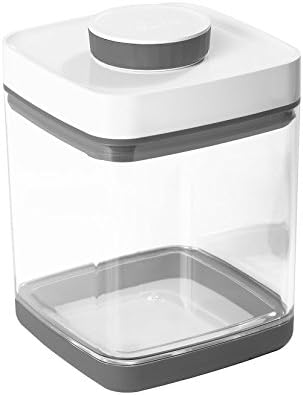
Click here to see the product detail.
What’s the Bottom Line?
Use an AirScape container, or at least an airtight, opaque matcha container. If you live in a hot place, store the matcha container in the fridge; however, be sure to let it come to room temperature before opening the container. Lastly, prepare matcha within two months of opening, and keep unopened containers for no longer than one year.
Need Assistance on Japanese Tea Importation?
This shipping and importation of Japanese tea in your country have been a long-standing service that we offer. Therefore, if you are interested in Japanese Tea importation either as a business or you simply want to have a taste of quality, authentic Japanese tea, you may contact us through this website, and we are more than happy to assist you. Click here to contact Green Tea Merchant.
Storing Matcha & Japanese Green Tea — FAQ


Related products


About the author

Kei Nishida
Author, CEO Dream of Japan
Certification: PMP, BS in Computer Science
Education: Western Washington University