What is Benifuki (べにふうき)

Posted by Green Tea Merchant Team on

What is Benifuki (べにふうき)

Japan is famous for green tea as its 99% of tea production compromises green tea. Recently, Japan is also getting into other tea styles, such as black, oolong, and more, but the production stays at 1 % and still a rarity. Benifukki cultivar is mainly famous for black tea; however, some make green tea too, but it remains responsible for black tea production. However, both teas are grown the same way but differ in the processing process.

Benifuuki translates as red riches and honors, and it is also called “Japanese Oolong.” It is cultivated in every region in Japan due to high resistance to the environment and diseases compared to Yabukita. The harvesting time depends on the tea type. As for black tea, farmers cultivate it after a few days of Yabukita harvest. If they are aiming for green tea, the harvesting time comes the week after the Yabukita.

HISTORY OF Benifuki

Benifuuki is a hybrid plant, first crossbreed in 1965 at Makurazaki city, Kagoshima prefecture. It has two parent plants, both from different countries. The MakuraCd86 is a Sinensis variety found in the Darjeeling region, India. It is quite special, just like the region famous for producing the best teas in India. This variety is also famous in China and Japan. Benihomare is an assamica variety from Japan which is decedent of seeds originated in India and SriLanka.

Both these varieties are used in crossbreeding of Benifuuki plants. It was not the same from the start; the right seedling was selected many years later from the first production and finally registered this combination in 1993.

CHARACTERISTICS OF Benifuki

Due to crossbreeding and it is a hybrid plant, Benifuuki possesses characteristics of both parent plants. It contains a high content of Methylated catechins and EGCG due to the plants being in sunlight. Compared to Yabukita, it has 30% more yield and high resistance to the environment and diseases. The brewed black tea from Benifuuki cultivar has a strong aroma, mellow taste, and a nice reddish color.

PROCESSING

In terms of processing, each tea type has different methods and sometimes varies by manufacturers. When it comes to green tea, the leaves are picked and sent to the factory for instant processing and storage.

As for black teas, processing does not occur immediately. Farmers let the leaves sit for half a day after picking. In this way, the moisture evaporates and makes the leaves high in anti-oxidation and gives a strong aroma and taste to the tea. Even later, they are kept in temperature and moisture controlled containers for further fermentation.

Leaves are kept in the dark and low temperatures for at least three months to get the best results. In this way, methylated catechin increases in leaves and makes the flavor of tea more intense and has high health benefits. Some also sell Benifuuki powder, which is the final stage in which the leaves are grounded in fine powder and packed.

It is best to buy a previous year harvested crop because longer it fermented, the best flavor you will get.

HEALTH BENEFITS

The Benifuuk cultivar tea is not like other teas loaded with nutrients and benefits all health-related issues. It is a specialty that contains vitamins, amino acids, essential oils, and chlorophyll, etc. Tea is famous for treating hay fever, dermatitis, eczema, and histamine reduction.

Due to the catechins and tannins present in the tea leaves, it has significant anti-allergic properties and cures any seasonal allergies. Moreover, these nutrients are great for healing metabolic disease and improve the health of the liver, gallbladder, spleen, and pancreas. Therefore, it is also named as metabolic and liver tea.

Loose leaves are much better than powdered form and have many benefits. The powder becomes toxic after some period of preparation and needs to be drunk quickly. On the other hand, leaves can be stored for a period of a few days, either on the shelf or in the refrigerator. In either way, it is a great go-to aid for curing allergies and hay fever.

Cultivar: Benifuuki
Year registered 1993
Original cross-location Makurazaki City, Kagoshima
Parents Assamica Benihomare and Sinensis Makura CD86
Spring harvest April, May, June (few days after Yabukita)
Branching type Three Stem
Vigor High
Yield High
Cold resistance High
Disease resistance High
Brew quality
Color Strong
Aroma High
Taste Strong


Benifuki — Frequently Asked Questions

What is Benifuki tea?

Benifuki (べにふうき) is a Japanese tea cultivar mainly used to produce black tea, with smaller quantities of green tea. The name translates to "red riches and honors," and it is sometimes called "Japanese Oolong." Benifuki was first crossbred in 1965 in Makurazaki city, Kagoshima Prefecture, from two parent plants — MakuraCd86 (a Camellia sinensis sinensis variety originally from Darjeeling, India) and Benihomare (a Camellia sinensis assamica variety descended from Indian and Sri Lankan seeds). The hybrid was registered in 1993.

Is Benifuki used for allergies?

Yes — Benifuki is particularly well known for its anti-allergic properties, attributed to its high content of methylated catechins (specifically EGCG3"Me). The cultivar has been studied as a natural support for seasonal hay fever, dermatitis, eczema, and histamine response. The methylated catechins are believed to interfere with allergic-pathway signaling in a way that ordinary green tea catechins do not. Many drinkers consume Benifuki specifically during allergy seasons.

What does Benifuki taste like?

Brewed as black tea, Benifuki has a strong aroma, a mellow body, and a reddish liquor that is closer in color to Indian black teas than to other Japanese green teas. The flavor is rounded and slightly sweet, with the herbal undertone characteristic of Japanese-grown camellia. When processed as green tea, Benifuki carries a more vegetal, slightly grassy profile but retains the methylated catechin content that distinguishes the cultivar.

What is Hojicha (ほうじ茶)

How is Benifuki different from Yabukita?

Benifuki is a hybrid bred from Indian and Sri Lankan tea genetics, while Yabukita is a pure Japanese sinensis cultivar. Benifuki yields about 30% more leaf than Yabukita and has stronger resistance to both diseases and environmental stress. The most significant chemical difference is that Benifuki contains a much higher concentration of methylated catechins — the compounds responsible for its anti-allergic reputation. Yabukita is widely planted for everyday green tea; Benifuki is grown specifically for its medicinal-leaning profile.

What forms does Benifuki come in?

Benifuki is sold as loose-leaf tea (the most common form), as a fine powder (ground from the leaves), and occasionally in tea-bag form. Loose-leaf Benifuki is generally preferred because the powdered form is reported to oxidize quickly and lose its medicinal properties within a relatively short period after grinding. For maximum methylated catechin content, look for previous-year crop — the longer fermentation period before consumption is said to improve the flavor and concentration.

Related products

1 review

Organic Sencha

$49.00

Organic Sencha is Japan’s most beloved green tea, crafted from freshly picked leaves that are immediately steamed to preserve their natural flavor and vibrant color. Known for its refreshing, grassy taste and delicate green hue, Sencha embodies the essence of everyday Japanese tea culture. Certified organic under JAS standards, it offers a pure, revitalizing experience ideal for daily enjoyment.

6 reviews

Premium Sencha - New Crop (Shincha)

$79.00

Premium Deep Steamed Sencha (Fukamushi-cha) is crafted from select early-spring tea leaves that are steamed longer than standard Sencha, creating a deep green infusion with a rich, velvety body and gentle sweetness.

2 reviews

Gyokuro Okabe

$22.00

Gyokuro Okabe is a premium shade-grown Japanese green tea cultivated in Okabe Town, Shizuoka Prefecture, a region renowned throughout Japan for its Gyokuro tradition and tea culture. Grown under shade for twenty days and harvested only once a year in early spring, the tender leaves are hand-picked, then carefully steamed, dried, and rolled into elegant needle-like shapes. This meticulous process produces a refined tea with a deep umami character, delicate aroma, and gently sweet finish, making Gyokuro the preferred choice of green tea connoisseurs. Available in 100 g and 500 g sizes, it offers an exceptional experience for those seeking the highest expression of Japanese green tea.

Organic Benifuki Sencha - Single Estate Origin

Organic Benifuki is a true nutraceutical beverage above and beyond any other Japanese green tea because it contains many times more methylated catechins. These catechins are known to be effective against hay fever, eczema, runny noses, and clogged nasal passages. The Japanese people have wholeheartedly embraced Benifuki tea in the fight against allergies since 1993. Better yet is that our Organic Benifuki green tea tastes light, refreshing, and slightly sweet without any trace of bitterness.

Benifuki with Premium Matcha Tea Bags

Our popular Benifuki tea is mixed with premium matcha and available in convenient teabag format now. We recommend this product for those who desire excellent tasting Benifuki tea without brewing loose leaf green tea leaves.


Related Articles You May Be Interested

What is Hojicha (ほうじ茶)
WHAT IS GENMAICHA (玄米茶)
Why is Terraced Land used for Tea Production?

About the author
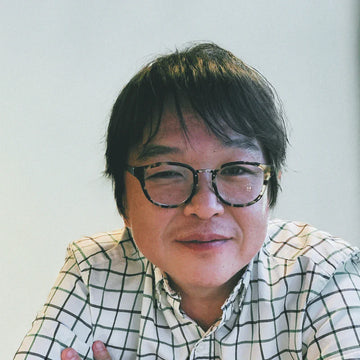
Kei Nishida

Kei Nishida

Author, CEO Dream of Japan

info@japanesegreenteain.com

Certification: PMP, BS in Computer Science

Education: Western Washington University

Kei Nishida is a Japanese green tea connoisseur, writer, and the current steward of ShizuokaTea.com and Green Tea Merchant.

ShizuokaTea.com was originally founded by Kent Roy Rhoads, a pioneer of online Japanese green tea sales who helped introduce authentic teas from Shizuoka and Kagoshima to customers around the world. Kei and the Dream of Japan team continue to honor Kent’s legacy by preserving the same commitment to high-quality Japanese tea, reliable service, and long-standing relationships with tea producers in Japan.

In 2020, Dream of Japan acquired ShizuokaTea.com, KagoshimaTea.com, and Green Tea Merchant, with the goal of continuing Kent’s work while bringing renewed care, storytelling, and tea education to a new generation of tea lovers.

Today, the ShizuokaTea.com blog, also known as the Green Tea Merchant Blog, is especially focused on helping wholesale buyers, cafés, restaurants, retailers, and tea-related businesses make informed decisions when sourcing Japanese tea. Building on Green Tea Merchant’s decades-long history of serving wholesale customers, the goal is to make this blog one of the best online resources for companies buying tea—offering practical guidance, product knowledge, sourcing insights, and educational content rooted in real experience.

Kei’s mission is to share the depth, beauty, and tradition of Japanese tea with the world while supporting businesses that want to serve authentic Japanese tea with confidence.

Benifuki Tea

← Older Post Newer Post →


Leave a comment

Please note, comments must be approved before they are published